 Hover to zoom
Image is for illustration purposes only.
15 Single Elastic
A flexible and durable single elastic used in waistband, leg opening and cuff applications.
- Product groups
- Elastic Bands
- Type
- Single elastic
- Use
- Waistbands, leg openings, cuffs
- Production
- Istanbul · Custom colors and sizes for your brand
Whether a tracksuit waistband stays in place, a trouser hem gathers neatly at the ankle or a cuff hugs the wrist all comes down to the same small detail: a well-chosen single elastic. 15 Single Elastic is our flexible, durable elastic model for waistband, hem and cuff applications. At Elif Tekstil Aksesuarları, we plan the width, color and stretch power separately for each area of your garment and offer custom manufacturing for your brand on wholesale orders.
Request a quoteWidth by garment area
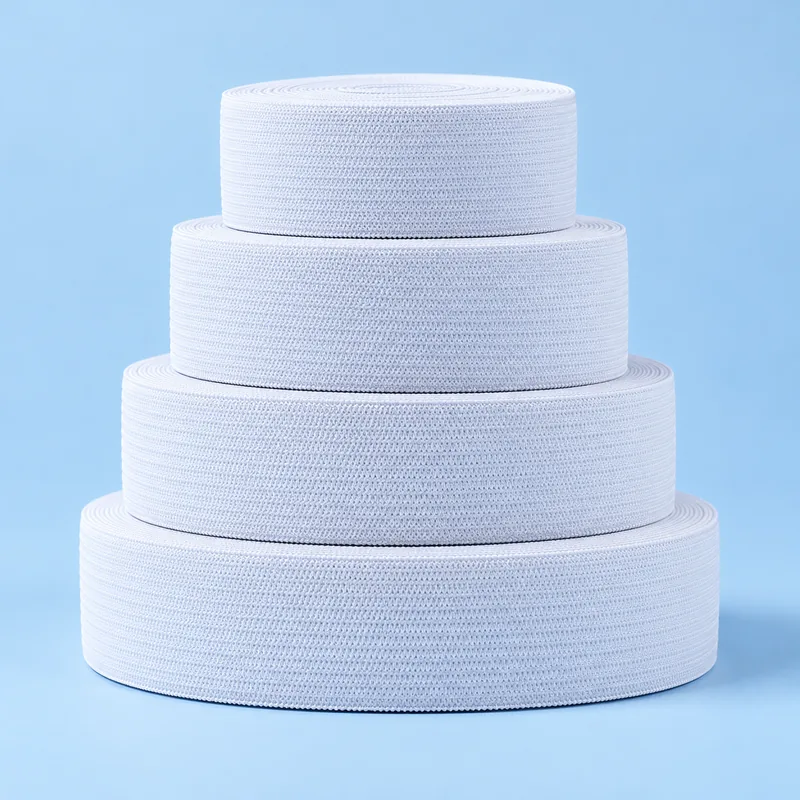
Waistbands, hems and cuffs carry different loads. By planning 15 Single Elastic in a separate width for each area, we help you meet the stretch requirements of the whole garment consistently with a single product family.
Durable stretch
Putting on and taking off, sitting and standing, and repeated washing constantly strain the elastic. Its durable construction is backed by material and density choices designed to preserve recovery power throughout this cycle.
Easy application
Its flat construction suits both threading through a casing and direct sewing, making it easy to work with different machines and techniques on the garment line; results stay predictable even when operators change.
Ready for bulk production
On wholesale orders, consistency in width and color is our priority. Elastics produced against the approved sample are wound on rolls and delivered ready to feed straight into your line.
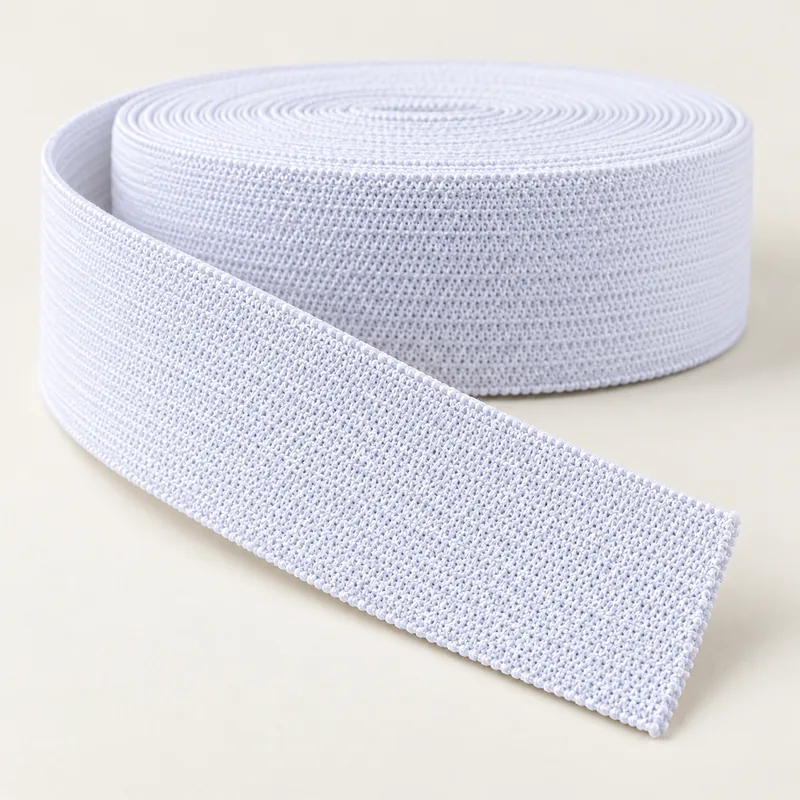
Choosing an elastic is really a sizing decision; once the right width is found, waistband, hem and cuff speak the same language.
The Right Width at Waistbands, Hems and Cuffs
A single elastic is a component applied with the same logic to different areas of a garment, yet it takes on a different task in each. At the waistband, the elastic carries the weight of the garment and has to stay put all day without slipping. At the hem, its job is to wrap the ankle, gather the fabric neatly and create a clean break above the shoe. At the cuff, it needs to grip the wrist while still stretching easily when the sleeve is pushed up. Positioned for these three areas, 15 Single Elastic is a flexible, durable elastic that delivers a balanced fit across the whole garment when the right width is chosen. That is why the question of width is always at the center of our order discussions.
When choosing a width, we recommend weighing three factors together: the weight of the fabric, the size of the casing or seam allowance, and the load the area will carry. A heavy fleece or three-thread tracksuit usually needs a wider elastic at the waist, while a narrow band may be enough for lightweight cotton shorts. At hems and cuffs, the elastic should fill the casing without getting jammed inside it; an elastic a few millimeters narrower than the casing usually turns without curling. The wrong width causes the waistband elastic to fold inside the casing, the hem to twist and the cuff to sit loosely. So the width decision should be made at the pattern stage.
At Elif Tekstil Aksesuarları, we treat a 15 Single Elastic order not as a routine accessory purchase but as part of your pattern. By reviewing your tech pack, fabric information and target sizes, we prepare a width recommendation for each application area. Our sample department produces samples based on these recommendations, and you approve after trialing the elastic on your own pattern. Because we work with our own production, we can quickly make any fine adjustments needed in width or stretch power. Our experience of more than ten years with domestic and international brands is focused on keeping the performance of the first sample intact in bulk production, right down to the last roll.
15 Single Elastic technical details
Values indicate typical production ranges; final size, color and material are confirmed upon sample approval.
- Product
- 15 Single Elastic (Single Elastic No. 15)
- Type
- Single elastic
- Applications
- Waistband, hem, cuff
- Construction
- Flat band, flexible and durable
- Width
- By garment area, on request
- Waistband application
- Typically a wider band
- Hems and cuffs
- Typically narrow and medium bands
- Application method
- In casing or sewn directly
- Color
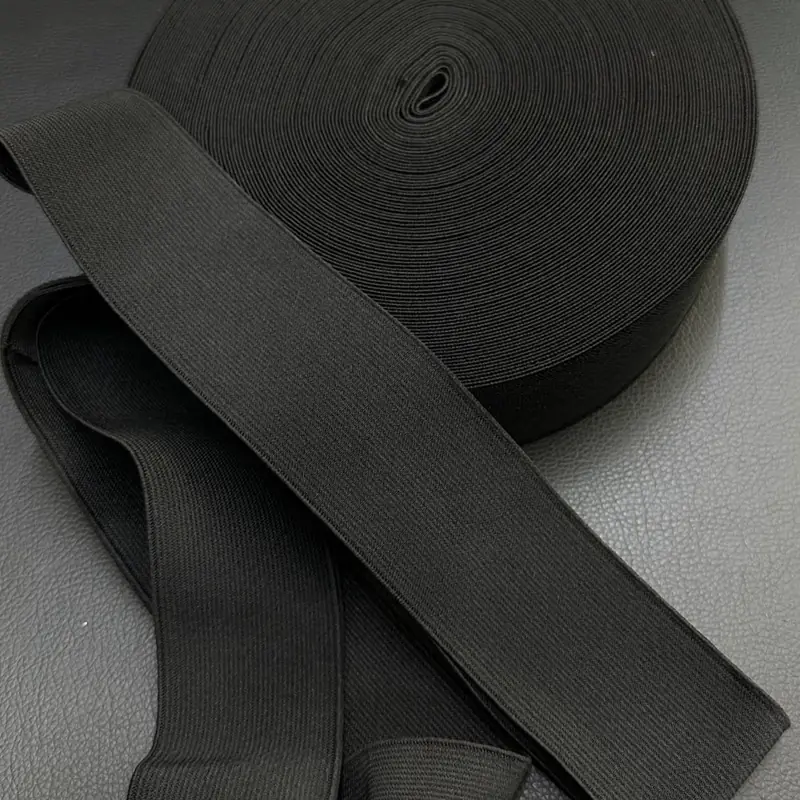
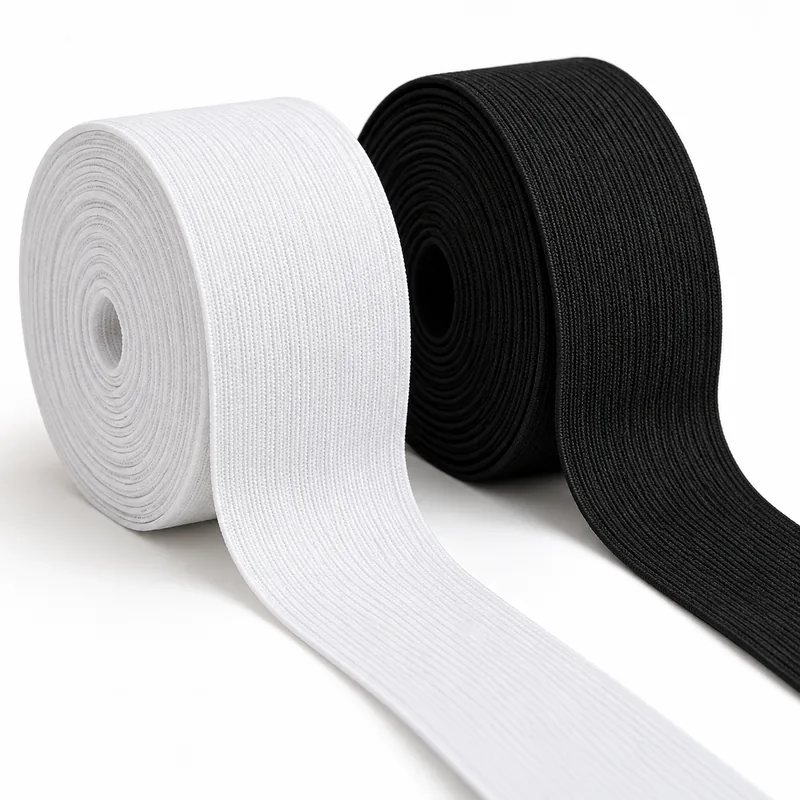
- White, black or custom brand color
- Stretch power
- Set with sample approval
- Put-up
- On rolls, on request
- Place of production
- Bağcılar, Istanbul
Where is it used?
Key applications for 15 Single Elastic.
Tracksuit and jogger waistbands
Threaded through a casing, single elastic keeps the waist in place on sweatpants and joggers; used together with a drawcord, it provides an adjustable fit that does not slip.
Gathered hems
Wrapping the ankle at the hems of tracksuits, cargo pants and children’s bottoms, single elastic gathers the fabric neatly and creates a clean, sporty hem above the shoe.
Cuffs and sleeve openings
At the cuffs of sweatshirts, windbreakers and work jackets, single elastic grips the wrist to reduce cold air coming in, stretching when the sleeve is pushed up and then recovering.
Children’s bottoms
On children’s trousers and shorts that need to be put on quickly, a softly stretching single elastic offers a comfortable, practical waistband solution with no buttons or zippers required.
Shorts and summerwear
At the waist of summer shorts, swim shorts and linen trousers, single elastic gathers lightweight fabrics without adding bulk; combined with a drawcord casing, it creates a relaxed summer silhouette.
Workwear and school uniforms
In frequently washed waistband and cuff areas of work trousers, smocks and school tracksuits, durable single elastic helps the garment keep its shape for a long time.
Width and Application Options for 15 Single Elastic
The same elastic family works with different settings in different areas. We combine the options below according to your product’s pattern and prepare a sample for each, ensuring consistent stretch at the waistband, hem and cuff.
About custom manufacturing- 01
Wide band for waistbands
In the waistband area, which carries the garment’s weight, a wider band reduces folding inside the casing and spreads pressure over a larger area. It is the first choice for heavy-fabric tracksuits and work trousers.
- 02
Medium band for hems
At the hem, the elastic needs to both wrap the ankle and gather the fabric neatly. A medium-width band turns without twisting and creates a balanced break above the shoe, completing the sporty look.
- 03
Narrow band for cuffs
Providing grip around the wrist without creating excess bulk, a narrow band lets the sleeve be pushed up easily on sweatshirt and jacket cuffs, then recovers to keep a neat appearance.
- 04
Color choice
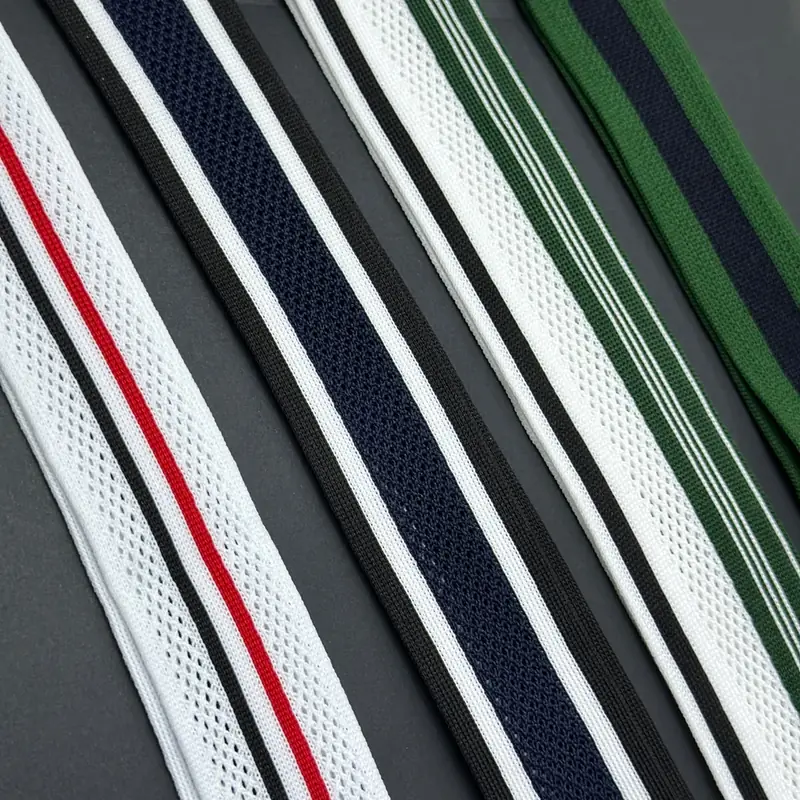
For elastics that stay inside a casing, white or black is usually sufficient. On light-colored, thin fabrics, however, a custom brand color matched to the fabric may be preferred so the elastic does not show through as a shadow.
- 05
Stretch power adjustment
Children’s products need a soft elastic, while work and sportswear require a firmer grip. Stretch and recovery power are adjusted together with you at the sample stage according to your use scenario.
15 Single Elastic or Other Elastic Solutions?
Single elastic is not the only option for waistbands, hems and cuffs. The table below compares 15 Single Elastic with the two most frequently considered alternatives from a usage perspective and shows which one stands out in which situation.
| Criterion | 15 Single Elastic | Jacquard waistband elastic | Round elastic cord |
|---|---|---|---|
| Main use | Waistband, hem, cuff | Visible waistband | Gathering and ties |
| Visibility | Usually inside a casing | Exposed, brand surface | Inside or outside a casing |
| Application | Casing or sewn on | Sewn on directly | Threaded through casing, stopper |
| Width selection | Flexible by area | Usually wide | By diameter |
| Customization | Color, width, stretch | Logo, pattern, color | Color, diameter, tip |
| Positioning | Bulk-production focused | Brand-focused premium | Practical and economical |
From request to delivery, step by step
We stay in touch with you at every stage and never move on to the next step without your approval.
- 1
Defining the areas
Working from your tech pack, we determine together which of waistband, hem and cuff the elastic will be used in, and whether it will be threaded through a casing or sewn on directly; fabric weight is also noted at this stage.
- 2
Width and power recommendation
For each area, a width and stretch power recommendation is prepared according to casing size and the load to be carried. Color preference and put-up are also added to the quote at this stage.
- 3
Sample and fitting
Our sample department produces samples in the recommended widths. You trial the elastic on your own pattern and in different sizes to finalize cut length and fit, then give your approval.
- 4
Bulk production control
Bulk production starts with the approved sample as the reference. Width, color and recovery power are measured at regular intervals during production, compared with the sample and any deviations are corrected.
- 5
Winding and delivery
Elastics that pass inspection are wound on separate rolls by width and color, labeled and packed. Delivery is planned per project to fit your garment production schedule.
Points to Watch in Waistband, Hem and Cuff Application
- Keep the casing a few millimeters wider than the elastic so it turns inside the casing without folding.
- After threading the waistband elastic, secure it at the side seams to prevent it from twisting inside the casing.
- Set the elastic cut length separately for each size and record these measurements in the tech pack.
- When joining the ends, overlap them and reinforce with dense zigzag stitching to reduce the risk of coming apart.
- At hems and cuffs, choose a tension that does not squeeze the wrist or ankle but still gathers the fabric neatly.
- Before bulk production, wash and dry the sample garment and measure and record any change in elastic length.
15 Single Elastic: your questions answered
Can’t find the answer you’re looking for? Our team is happy to help.
Where is single elastic used?
Single elastic is used in areas of a garment that need gathering, mainly waistbands, hems and cuffs. It is a frequent choice for the waistbands of sweatpants and joggers, the cuffs of sweatshirts and jackets, and children’s trousers and shorts. With its flexible, durable construction, 15 Single Elastic is positioned for these three main applications and delivers balanced results in each area when the right width is chosen.
Which width should I choose for waistband elastic?
Because the waistband carries the garment’s weight, it usually calls for a wider elastic. On heavy tracksuits and work trousers, wide bands reduce folding and the feeling of tightness; on lightweight shorts and pajamas, narrower bands may be sufficient. Waistband elastic is commonly chosen between 25 and 50 mm. We determine the exact width together on a sample, based on your casing size and fabric weight.
How is the length of hem and cuff elastic calculated?
The elastic is cut shorter than the finished circumference of the ankle or sleeve opening; the difference varies with the desired grip and the stretch character of the elastic. Rather than giving a fixed ratio, we recommend trialing the sample elastic in different sizes. Once you record the approved cut length in the tech pack, bulk production achieves the same fit across all sizes.
Should single elastic be threaded through a casing or sewn on directly?
Both methods are possible. Threading through a casing lets the elastic move freely inside the garment and is preferred in areas that need adjustability, such as the waistband, especially in combination with a drawcord. Direct sewing fixes the elastic in place at areas like cuffs and hems, giving a neat, permanent gather. The choice should be based on your pattern and the machines on your garment line.
In which colors is 15 Single Elastic produced?
For applications that stay inside a casing, white and black are the most common options. On light-colored or thin fabrics, a color matched to the fabric may be preferred so the elastic does not show through as a shadow. For custom brand colors, simply send us your fabric swatch or color reference; a dye sample is submitted for your approval, and bulk production follows this reference.
Does single elastic loosen over time?
Every elastic material fatigues to some extent with wear and washing; the right material choice and proper sewing, however, slow this process considerably. The main factors that accelerate loosening are overstretching during sewing, washing at high temperatures and prolonged tumble drying. If you share your care instructions from the start, we plan the elastic’s material and stretch power around your product’s conditions of use.
What do I need for a wholesale 15 Single Elastic order?
Simply share the application areas, fabric information and your tech pack, if available. Based on this information, we prepare a width and color recommendation and produce a sample. Bulk production begins after sample approval; order quantity and delivery schedule are planned per project. From our facility in Istanbul, we supply single elastic to domestic brands and to garment manufacturers working for export markets.