Zippers
Zipper solutions to suit your collection, paired with matching zipper pulls.
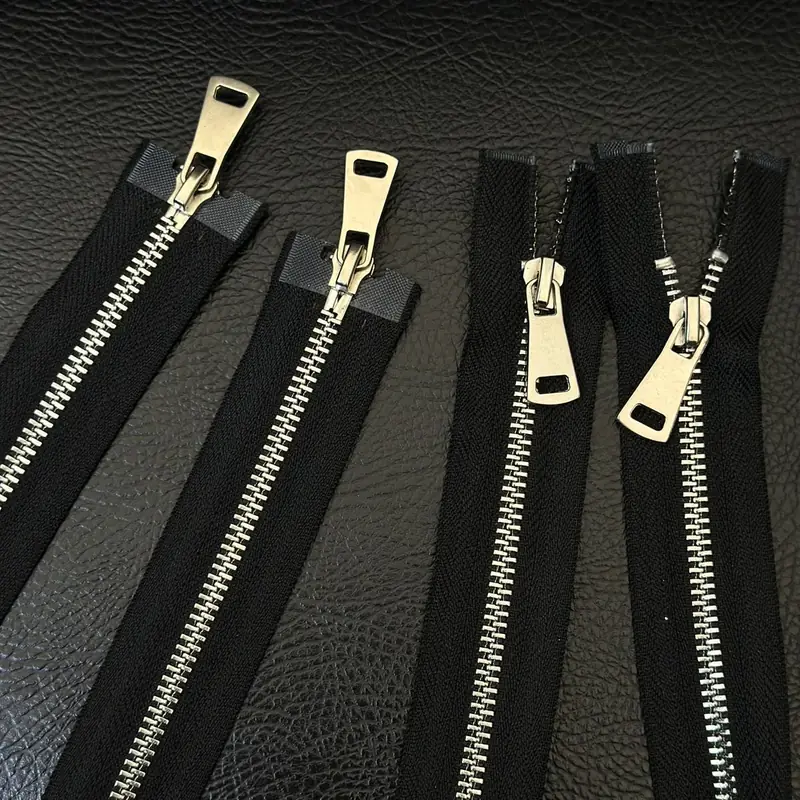
Custom manufacturing for Zippers
We offer zipper solutions tailored to the needs of your collection, together with matching zipper pulls and accessories. Contact our team with your color, size and model requirements.
For this product group, rather than offering catalog models, we work directly to your brand’s requirements. Share your logo, dimensions and color preferences, and our design team will prepare the best solution for you.
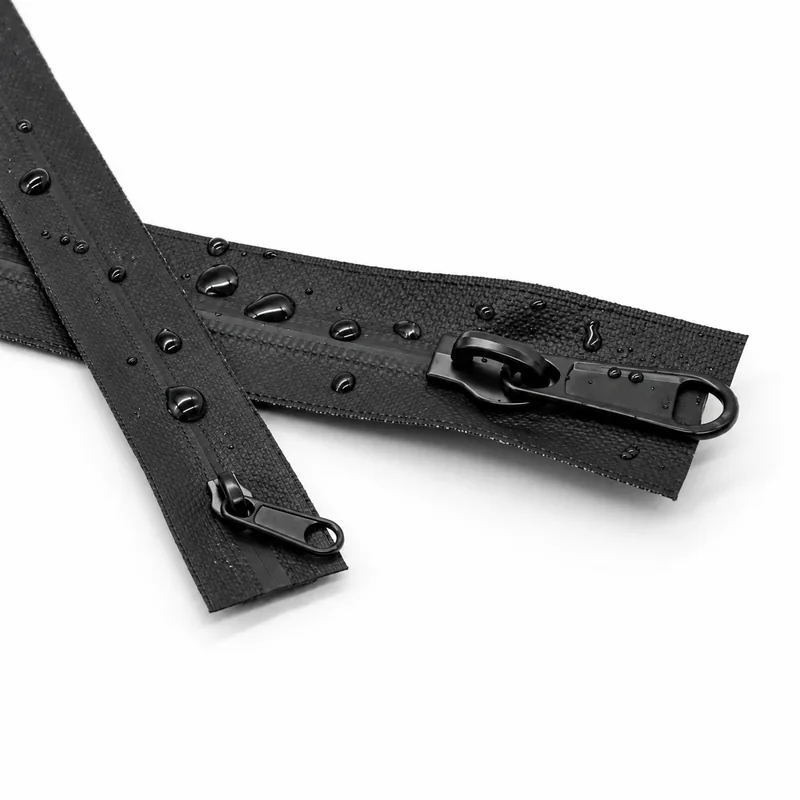
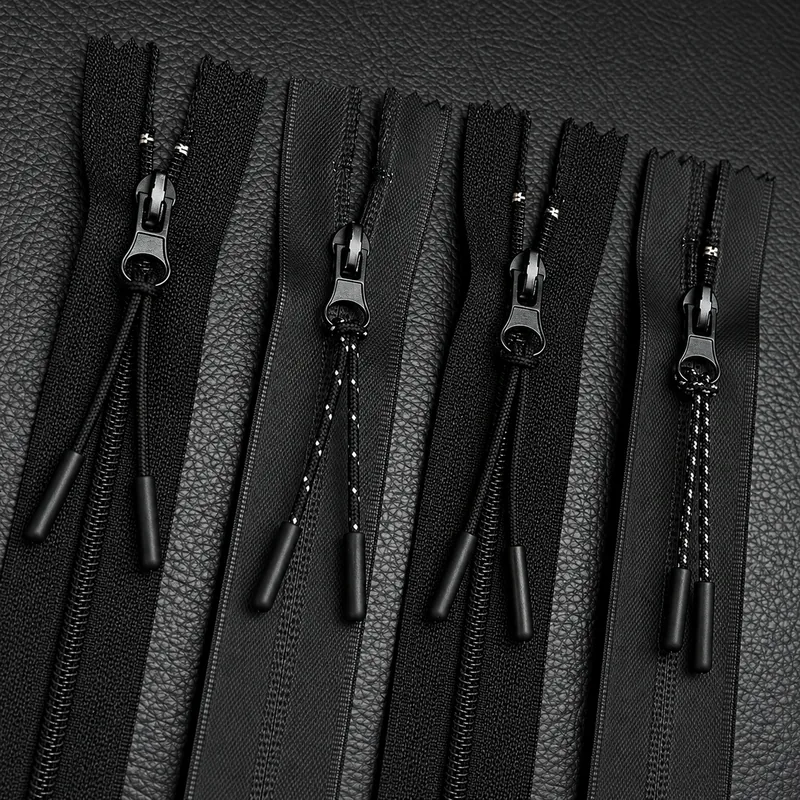
The zipper is one of the most used and most worn parts of any product; choose the wrong one and, however good the fabric, the life of the product is cut short. At Elif Tekstil Aksesuarları, we offer zipper solutions suited to your collection, paired with zipper pulls from our own production. In this guide, we walk you step by step through metal, molded plastic, coil and waterproof zippers, choosing the right gauge, separating and two-way constructions, and getting the zipper pull match right.
Request a quoteA Wide Range of Zippers
By reviewing metal, molded plastic, nylon coil and waterproof zippers in one place, we help you determine the right tooth type, gauge and opening style for every product group in your collection.
Seamless Match with Zipper Pulls
When you plan the zipper and the zipper pull together instead of sourcing them from separate suppliers, color, size and fitting compatibility are secured from the start. We prepare zipper pulls from our own production to suit your zipper gauge and tape color.
Tape and Tooth Color
The color harmony of the zipper tape, teeth and slider directly affects how the product looks. We select tones that suit your fabric and brand palette together with you on samples and match the zipper pull color accordingly.
Technical Guidance
We assess which gauge, which slider and which opening type suit your product based on fabric weight and use scenario, and offer concrete recommendations that make your purchasing decision clear.
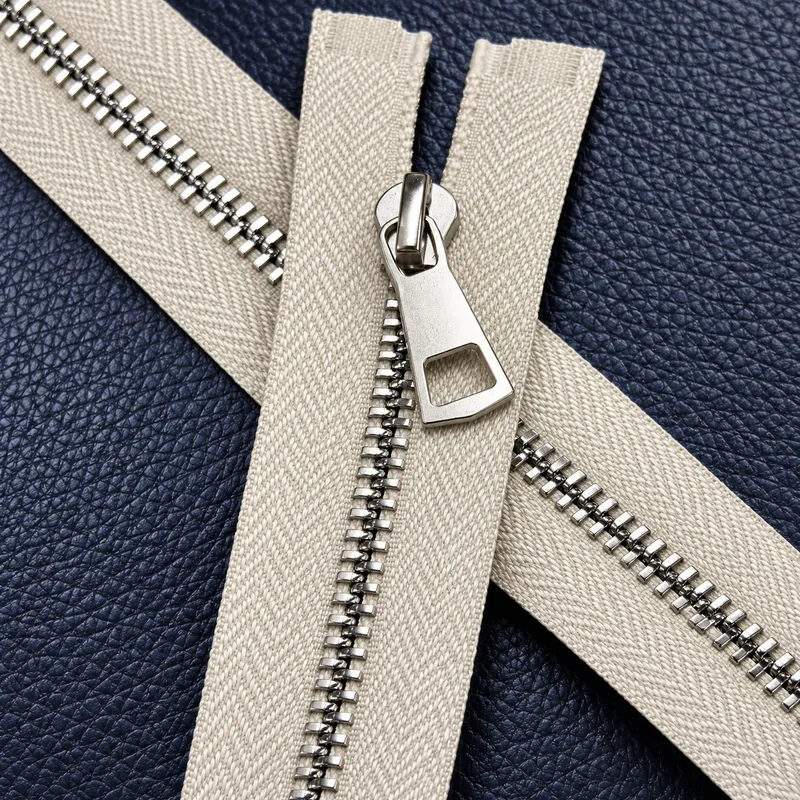
A good zipper goes unnoticed; a bad one instantly overshadows all the work that went into the rest of the product.
The Right Zipper Is the Product’s Hidden Guarantee
Although a zipper may look like a single part at first glance, it actually consists of several components that work together: the tape sewn to the fabric, the teeth that interlock, the slider that opens and closes the teeth, the pull tab attached to the slider, and the stops that limit both ends of the zipper. Separating models add a pin and box to these. The material and size of each component determine how smoothly the zipper runs, what load it can bear and how it looks against the fabric. Deciding on color and length alone during purchasing can lead to problems later on, such as zippers that snag, open by themselves or pucker the fabric.
Zipper selection rests on two main axes: tooth type and gauge. Tooth type is divided into metal, molded plastic and coil, and defines the character of the zipper. The gauge refers to the approximate width of the closed row of teeth; sizes 3, 5, 8 and 10 are widely used in the industry. Smaller gauges are preferred for light applications such as dresses, skirts and pockets, while larger gauges are aimed at high-stress areas such as coats, bags and travel goods. When fabric weight, zipper length and frequency of daily use are considered together, the right gauge often becomes obvious.
What sets the zipper approach of Elif Tekstil Aksesuarları apart is that it puts zipper pull and accessory compatibility at the very start of the process. For an 8 gauge molded plastic zipper chosen for a coat, the thickness of the zipper pull to be fitted on the slider, how the tape color will relate to the pull color, or how the two sliders on a two-way model will be told apart should all be settled together with the zipper decision. Our design team makes these decisions with you, and our sample department prepares samples that let you evaluate the zipper and zipper pull together on your own fabric. As a result, the zipper, zipper pull and fabric in your collection come across as a single, complementary whole.
Zipper Types and Their Applications
Classified by tooth structure and tape properties, zipper types respond to different fabric weights and conditions of use. When choosing the right type for your product, you should always weigh the balance between appearance, durability and flexibility together.
- 01
Metal Zipper
A strong zipper with a distinctive look, its teeth made from brass, aluminum or similar metal alloys. It brings durability and a classic appearance to products such as jeans, leather jackets and bags, and can be offered in different plating tones.
- 02
Molded Plastic Zipper
In this zipper, each tooth is molded individually onto the tape, and it stands out for its light weight and high durability. With its wide color range and bold, sporty look, it is a frequent choice for coats, vests, sportswear and outdoor products.
- 03
Coil (Nylon) Zipper
Made by winding nylon monofilament into a spiral and sewing it onto the tape. Flexible, lightweight and easily conforming to curves, it provides a soft, quiet and comfortable closure on dresses, skirts, linings, cushion covers and light bags.
- 04
Waterproof Zipper
The tape surface is coated with a polyurethane or similar film layer, greatly limiting water penetration. It is a modern solution for rain jackets, technical jackets, ski products and backpacks, contributing to water resistance together with taped seams.
- 05
Concealed (Invisible) Zipper
A coil-based model in which the teeth sit on the back of the tape. Once sewn, only a small slider is visible from the outside, creating a continuous, clean and elegant seam line on products such as dresses, skirts and evening wear.
Zippers technical details
Values indicate typical production ranges; final size, color and material are confirmed upon sample approval.
- Tooth types
- Metal, molded plastic, coil
- Special types
- Waterproof, concealed zipper
- Common gauges
- 3, 5, 8, 10
- Opening type
- Separating, closed-end, two-way
- Slider options
- Locking, non-locking; on request
- Tape color
- Color-matched to fabric
- Length
- Per product, on request
- Zipper pull matching
- Cord, striped or injection-molded zipper pull
- Logo
- On the zipper pull, on request
- Applications
- Apparel, bags, footwear, home textiles
- Supply
- Wholesale, sample-approved
Where is it used?
Key applications for Zippers.
Coats and Parkas
Heavy outerwear typically uses 5 or 8 gauge molded plastic or metal separating zippers; a two-way option adds comfort when sitting and moving in longer styles.
Jeans and Trousers
For trouser flies, closed-end metal zippers with locking sliders provide both a secure closure and a classic look; the tape color is chosen to match the fabric tone.
Dresses and Skirts
On lightweight fabrics, a 3 gauge coil or concealed zipper creates a clean closure without emphasizing the seam line and does not disturb the natural drape of the fabric.
Bags and Luggage
Bags and travel goods call for larger gauges that withstand high stress; double-slider constructions and prominent zipper pulls make access to compartments noticeably easier.
Rainwear and Technical Apparel
Zippers with waterproof-coated tape reduce water ingress from the outer surface on rain jackets, ski jackets and technical jackets, supporting the technical performance of the fabric.
Shoes and Boots
On boots, an inner side zipper makes them easier to put on and take off; coil or metal models paired with a short, sturdy zipper pull offer solutions suited to everyday use.
Opening Type, Slider and Zipper Pull Options
Once the tooth type and gauge are set, the next decisions are how the zipper will open, how the slider will behave and how the zipper pull will look. These options directly shape the product’s everyday comfort, security and final appearance.
About custom manufacturing- 01
Separating Zipper
A construction with a pin and box at the bottom end that can be fully separated into two parts. It is used on products that open fully at the front, such as coats, jackets, vests and sweatshirts; the strength of the box and pin is critical for a long service life.
- 02
Closed-End Zipper
A model whose bottom end is closed with a fixed stop so that it does not separate completely. It is widely preferred for applications that close a specific opening, such as trousers, skirts, pockets, bag compartments and cushion covers.
- 03
Two-Way Zipper
With two sliders, this construction allows the zipper to be opened from both directions. It provides sitting comfort on long coats and access from both sides on bags; fitting a different zipper pull to each slider makes it even easier to use.
- 04
Slider Type
Auto-lock sliders prevent the slider from slipping on its own, while non-locking models offer light, free movement. Reverse slider and double-sided slider options are assessed according to the product design.
- 05
Zipper Pull Matching
The thickness, length and color of the zipper pull attached to the slider tab are determined by the zipper gauge and tape color. We prepare our tight braid cord, striped, thin cord and injection-molded tip zipper pulls to suit your zipper.
Metal vs. Molded Plastic vs. Coil Zippers
Seeing the strengths of the three basic tooth types in one table speeds up the choice that suits your fabric and product type. The values reflect general tendencies; the final selection should always be made on a sample.
| Criterion | Metal zipper | Molded plastic zipper | Coil zipper |
|---|---|---|---|
| Weight | Heavy | Light | Lightest |
| Flexibility | Low | Medium | High |
| Durability | Very high | High | Medium–high |
| Color options | Plating tones | Very wide | Very wide |
| Appearance | Classic, strong | Sporty, bold | Simple, slim |
| Typical use | Denim, leather, bags | Coats, sportswear | Dresses, linings, home textiles |
From request to delivery, step by step
We stay in touch with you at every stage and never move on to the next step without your approval.
- 1
Product and Fabric Analysis
We review with you the product the zipper will be used on, the fabric weight, zipper length and use scenario. Sharing a tech pack or sample product makes our tooth type and gauge recommendation even more precise.
- 2
Zipper and Zipper Pull Selection
Once the tooth type, gauge, opening type and slider are set, the tape color is chosen to match the fabric. At the same stage, the type, length and color of the zipper pull to be fitted on the slider, along with any logo detail, are also agreed.
- 3
Sample Preparation
The zipper and zipper pull combination is prepared as a sample. We recommend sewing the sample onto your own fabric so you can evaluate slider movement, any puckering and color harmony in detail under real conditions of use.
- 4
Bulk Supply and Inspection
Zippers are sourced according to the approved sample, and zipper pulls are made in our own production. Before shipment, size, color, slider movement and the zipper pull attachment are inspected one by one against a checklist.
- 5
Delivery and Support
Products are delivered in quantities and packaging arrangements that suit your production plan and sewing line. Our team continues to support you after delivery with any technical questions that may come up during sewing.
Tips for Zipper Selection and Quality Control
- Choose the zipper gauge according to fabric weight; a large gauge on thin fabric causes waviness along the seam line.
- Always run the slider back and forth along the zipper several times to check for snagging or stiffness.
- On separating models, test the strength of the pin and box connection by inserting and releasing it repeatedly on the sample.
- Evaluate the tape color next to the fabric in daylight; store and workshop lighting can be misleading about the tone.
- Close zippered garments before washing; open metal teeth can catch on and damage other fabrics.
- For products with waterproof zippers, make sure seam taping is noted in the tech pack.
Zippers: your questions answered
Can’t find the answer you’re looking for? Our team is happy to help.
What do zipper gauges mean?
The zipper gauge expresses the approximate width of the row of teeth in millimeters when the zipper is closed. Sizes 3, 5, 8 and 10 are widely used in the industry. Gauge 3 is preferred for lightweight fabrics and small openings, gauge 5 for trousers, jackets and bags, and gauges 8 and 10 for coats, large bags and products subject to high stress.
What is the difference between molded plastic and coil zippers?
In a molded plastic zipper, each tooth is molded individually from plastic and fixed onto the tape; this construction gives a bold, sporty and durable look. In a coil zipper, nylon yarn is wound into a continuous spiral and sewn onto the tape, resulting in a more flexible, lighter and slimmer structure. Molded plastic is more common in coats and sportswear, while coil zippers are more common in dresses, skirts and linings.
Should I choose a separating or a closed-end zipper?
If your product opens fully at the front and separates into two parts, such as a coat, jacket or sweatshirt, you need a separating zipper. For applications that only close a specific opening, such as a trouser fly, skirt, pocket, bag compartment or cushion cover, a closed-end zipper is sufficient. On long coats and large bags, two-way models that open from both directions provide additional comfort.
Do you supply zipper pulls along with zippers?
Yes, this is one of our greatest strengths. We make zipper pulls in our own production in tight braid cord, striped, thin cord and injection-molded tip models. We determine the zipper pull that suits your zipper gauge, the hole size of the slider tab and the tape color, and evaluate it together with you on a sample. This way, there is no mismatch in color or size between the zipper and the zipper pull.
Is a waterproof zipper really waterproof?
On waterproof zippers, the tape surface is coated with a polyurethane or similar film layer, and on most models the teeth are positioned on the back of the tape. This construction offers a high level of protection against rain and splashing water. However, the overall water resistance of the product must be assessed together with seam taping and the properties of the fabric itself; the zipper alone may not be enough.
Can you match the zipper tape color to my fabric?
We work to match the tape color based on your fabric sample or color card code. Since color options may vary depending on zipper type and supply conditions, the closest tone is submitted for your approval on a sample. We also set the zipper pull color either to harmonize with the tape color or to create a deliberate contrast, achieving a cohesive look.
What information is needed for a zipper order?
Product type, zipper length, preferred tooth type, gauge, opening type, tape and tooth color, and your slider preference form the basis of the quote. If you also need zipper pulls, simply add the type, length and logo details. Wherever you are unsure, our team reviews your product or tech pack and suggests suitable options and alternatives.